As important as shoes are in winter, car tires are also very important in winter.
Home / As important as shoes are in winter, car tires are also very important in winter.
As important as shoes are in winter, car tires are also very important in winter.
Of course, in Switzerland winter tires usually have to be changed depending on the weather conditions and legal regulations. Winter tires should generally be put on in October or November and removed again in April or May. However, these dates may vary, so it is important to pay attention to local legal requirements and the weather.
Some important points to pay attention to when using winter tires:
1. Tread depth of winter tires: The tread depth of the tires should meet the legal requirements to ensure sufficient grip.
2. Tire pressure: Make sure the tires have the correct air pressure. Winter tires usually require higher air pressure at low temperatures.
3. Suitability for snow, ice and road conditions: Winter tires provide better performance on snowy and icy roads. They are also helpful in fog and rain.
4. Tire profile: The profile of winter tires ensures better grip and water drainage.
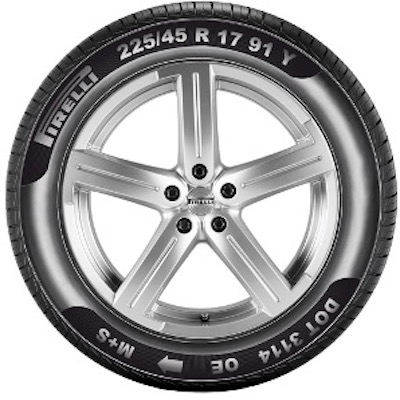
The letters and numbers on the tires identify the tire characteristics. For example, the M+S (Mud and Snow) symbol indicates that the tire is designed for use in snow and mud. The 3PMSF (3 Peaks Mountain Snowflake) symbol indicates that the tire offers better performance in demanding winter conditions.
However, the rules for winter tires and tire labeling can change over time in Switzerland. It is therefore important to ask local authorities or tire manufacturers about the current legal requirements.
Pneumatic names
225 Tire width in mm
/45 Ratio of tire height to Tire width in %
R Tire type: «R» stands for radial tires
17 Tire inner diameter in inches
91 Load capacity indicator
Y Speed code letter (300Km/h)
DOT 3114 Date of manufacture
 Direction of rotation
M+S* Winter tires Mud and Snow